Art Collecting at the HNW Tier: Investment, Storage, and the Market That Has Quietly Changed
The art market has restructured significantly post-2022. Here is what serious collectors at the £5M-£30M tier actually need to know in 2026.
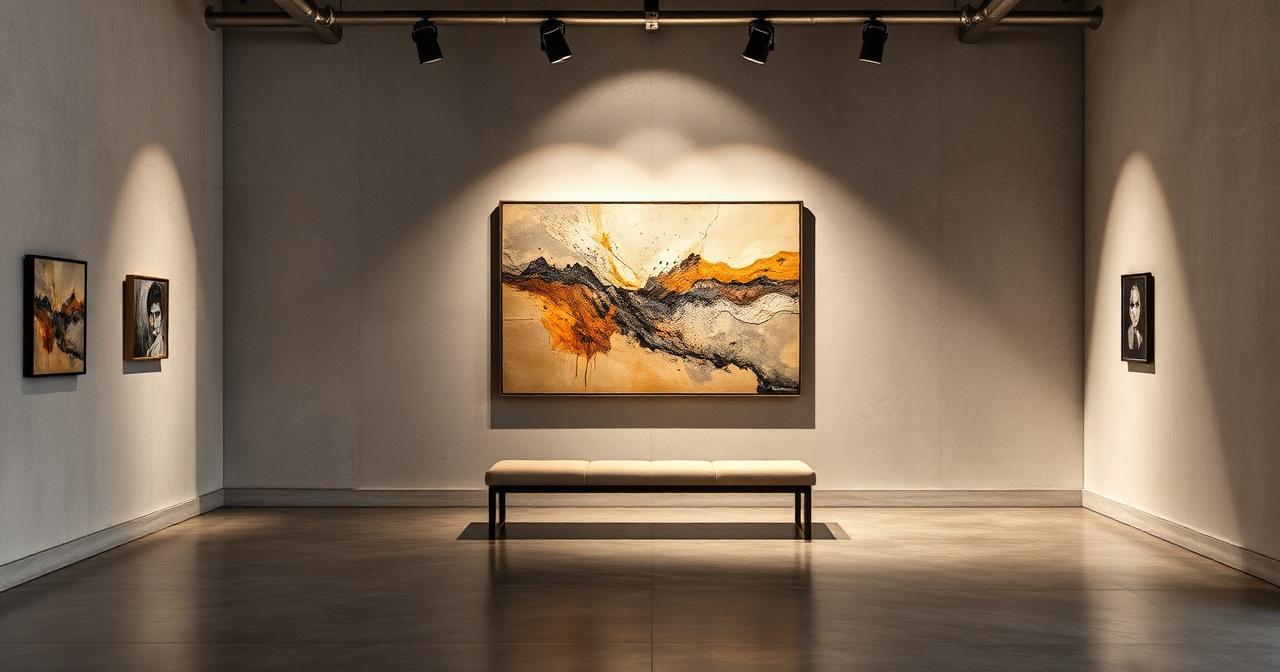
A market that has quietly restructured
The art market that exists in 2026 is not the art market of 2018. The post-pandemic surge in contemporary art prices, driven by a combination of stimulus liquidity, NFT-adjacent speculation, and the entry of younger collectors with crypto-derived wealth, peaked in late 2021 and has been correcting in selective categories since. The blue-chip top of the market — established post-war and modern names — has held value broadly but with reduced trading volume. The mid-market for emerging contemporary names has corrected sharply, with secondary auction prices for many 2020-2022 favourites now fifty to seventy percent below their peak.
For HNW collectors at the five to thirty million pound tier — the typical Atrium member building or holding a meaningful art position — the market shift creates both opportunity and risk. Opportunity, because quality work in unfashionable categories is available at multi-year low prices. Risk, because the post-2021 correction has not finished, and many private galleries are quietly carrying inventory at carrying values that will not be tested in the open market for years.
What collecting at this tier actually requires
Building or maintaining a serious art collection at the HNW tier is not principally about taste. It is about infrastructure. The infrastructure that distinguishes a collector from someone who buys art falls into four categories: provenance and authentication, storage and conservation, insurance and risk management, and the transactional relationships with galleries, auction houses and private dealers.
Provenance is the most undervalued of these. The legal title chain on any meaningful work — particularly post-war and earlier — is the central determinant of long-term value. Works with imperfect provenance can trade, but they do so at material discounts and carry restitution risk that has become more acute since the 1998 Washington Principles and successor protocols. Serious collectors increasingly engage independent provenance researchers before any acquisition above a meaningful threshold.
Storage is the operational backbone. Geneva, Luxembourg, Singapore and Delaware free ports remain the dominant storage and trading hubs at this tier, offering climate-controlled storage, customs-deferred trading, and access to the established conservation and authentication infrastructure. The choice of free port is increasingly a strategic decision driven by tax position, expected trading frequency, and proximity to the collector's primary residence.
The insurance question
Standard high-net-worth insurance policies cover art at limits and on terms that are inadequate for serious collections. Specialist art insurance — through providers like AXA Art, Hiscox, and Berkley One — operates on a different model, with bespoke valuation cycles, agreed-value coverage, and specialised handling of transit and exhibition risk. Most serious collectors review insured values at least every three years and re-broker the relationship every five.
Where Atrium adds value
The Atrium service in this category is coordination rather than curation. Members work directly with their chosen galleries, auction specialists and curators on what to acquire — that is appropriately the collector's domain. Atrium coordinates the operational layer underneath: storage logistics, insurance and risk management, transit and customs, conservation scheduling, valuation cycles, and the integration of the collection into the broader wealth picture for tax, succession and reporting purposes.
For collectors at the level where the collection has become a meaningful component of household wealth, this operational layer is the difference between an asset class that compounds and one that quietly erodes value through unmanaged friction.