Monaco Residency for HNW Individuals: The Complete 2026 Guide
Everything you need to know about establishing residency in Monaco — the property requirement, the bank account, the timeline, the costs and what a family office coordinates on your behalf.
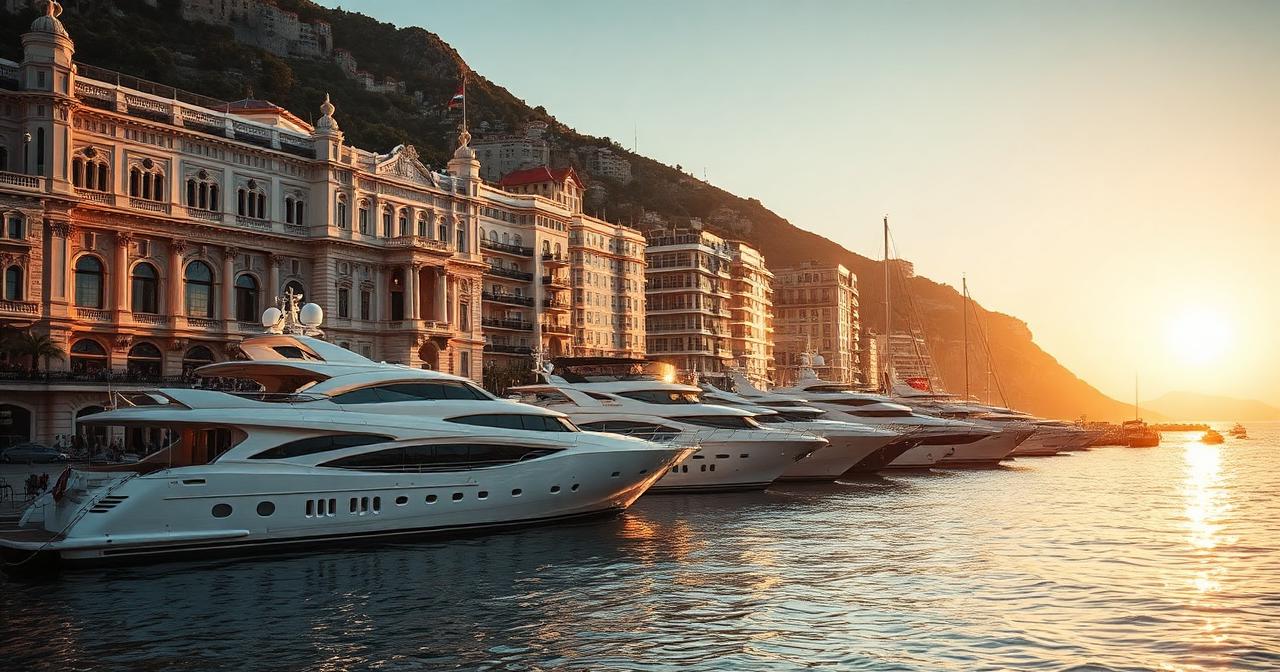
Why Monaco remains the gold standard for HNW residency
Monaco has maintained its position as the world's most desirable residency destination for high-net-worth individuals for decades — and the fundamentals that make it compelling have not changed. Zero personal income tax. Zero capital gains tax. Zero wealth tax. No inheritance tax between direct family members. A physically secure environment with one of the highest per-capita police presences in the world. A community of globally mobile wealthy individuals from every country. And a location — twenty minutes from Nice airport, thirty minutes from the Italian border — that makes it genuinely central to European life rather than a remote tax exile.
The population of Monaco is approximately thirty-eight thousand, of which roughly ten thousand are resident millionaires. The principality is approximately two square kilometres. The combination of extreme demand and zero supply growth makes Monaco property among the most expensive in the world by square metre — and among the most illiquid to find at the quality level that suits a genuinely wealthy household.
For internationally mobile families managing complex cross-border tax positions, the combination of Monaco's zero-tax environment with its genuine European lifestyle — culture, cuisine, accessibility, security — makes it a uniquely attractive option. It is not a tax shelter you visit occasionally to maintain a mailbox. It is a genuinely desirable place to live.
The core requirements for Monaco residency
The Monaco residency application process is managed through the Direction de la Sûreté Publique — the principality's security directorate — and the requirements are clear, though navigating them in practice requires professional guidance.
The first requirement is accommodation. You must demonstrate that you have suitable accommodation in Monaco — either a property you own or a lease agreement. This is the single biggest practical challenge for most applicants, because the Monaco property market is extremely tight. Finding a suitable property — particularly one that meets the space requirements a wealthy family would consider appropriate — requires relationships with the small number of agencies that handle significant Monaco inventory, and frequently requires moving quickly when something suitable becomes available.
The second requirement is a bank account with a Monegasque banking institution. You must open an account with a Monaco-based bank and deposit sufficient funds to demonstrate financial self-sufficiency. The threshold varies by institution and the specific circumstances of the applicant, but in practice most applicants deposit between five hundred thousand euros and several million euros to satisfy this requirement comfortably. The main Monaco banks include CFM Indosuez, Société Générale Private Banking Monaco, BNP Paribas Monaco and Julius Baer Monaco.
The third requirement is a background check. The Sûreté conducts thorough background checks on all applicants. A clean criminal record is essential. Politically exposed persons or individuals with complex legal histories in other jurisdictions should seek legal advice before applying.
The application process step by step
The application process typically begins with the property search — because without confirmed accommodation you cannot formally apply. Once suitable accommodation is identified and either purchased or leased, the formal application can be submitted to the Sûreté.
Required documents include a valid passport, proof of accommodation, proof of financial resources, bank statements, criminal record certificate from the country of origin and all countries of residence over the previous five years, and two photographs. In practice, it is also helpful to have a reference from an existing Monaco resident — a business associate, a professional adviser or a family office contact — though this is not formally required.
The processing time from complete application to residence card typically ranges from three to six months, depending on the completeness of the application and the current workload of the Sûreté. Straightforward applications from well-documented applicants with clear financials and established Monaco connections tend to move faster.
The costs involved
The costs of establishing Monaco residency are substantial and should be understood in full before beginning the process. Property costs vary enormously — a modest one-bedroom apartment suitable for a single applicant might cost one and a half to two million euros, while a suitable family apartment might cost ten to twenty million euros or more. Rental costs range from approximately five thousand euros per month for a studio to thirty thousand or more for a substantial family apartment.
Bank deposit requirements add between five hundred thousand and several million euros of capital that needs to be available at the Monaco bank. Legal and advisory fees for managing the application process typically run from fifteen to fifty thousand euros depending on complexity. Property purchase costs add approximately ten percent to the purchase price in taxes and fees.
In total, a Monaco residency establishment for a family expecting to purchase a suitable apartment should be budgeted at a minimum of fifteen to twenty-five million euros in property and related costs, plus ongoing annual costs of property taxes, bank fees and professional advisory.
Common pitfalls and how to avoid them
The most common mistake applicants make is underestimating the time required to find suitable accommodation. The Monaco property market is not like other markets — supply is genuinely constrained, quality properties move quickly, and without the right relationships you may spend months searching before finding something appropriate. Beginning the property search well in advance of the intended residency date is essential.
A second common mistake is inadequate preparation of the financial documentation. The Sûreté expects comprehensive, clear documentation of financial resources. Incomplete or poorly organised documentation causes delays. Using a professional adviser to prepare and review the documentation before submission significantly reduces the risk of delays.
How Atrium coordinates Monaco residency
Atrium's Monaco capability — available to members at the Atelier and Sovereign tiers — covers the full residency establishment process. Property sourcing through established Monaco agency relationships. Bank account introduction to the appropriate Monaco institution. Legal counsel through a Monaco-qualified lawyer. Application preparation and liaison with the Sûreté. And ongoing coordination once residency is established — because Monaco residency requires maintaining genuine presence and the paperwork associated with that.
For members pursuing multi-jurisdiction residency — establishing UAE alongside Monaco, or Malta alongside Monaco — Atrium's relationship manager holds the full picture and coordinates sequencing across all three simultaneously.